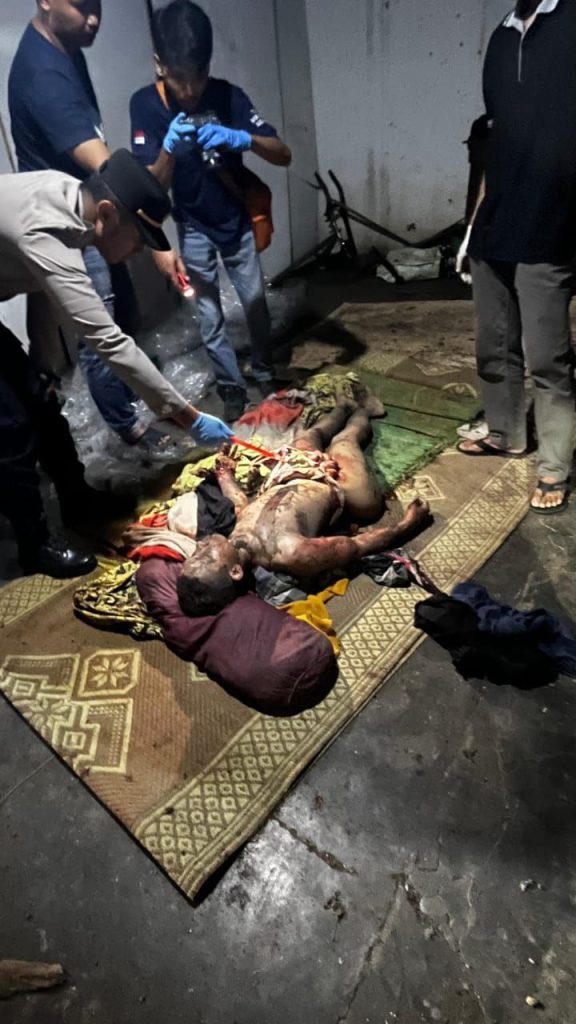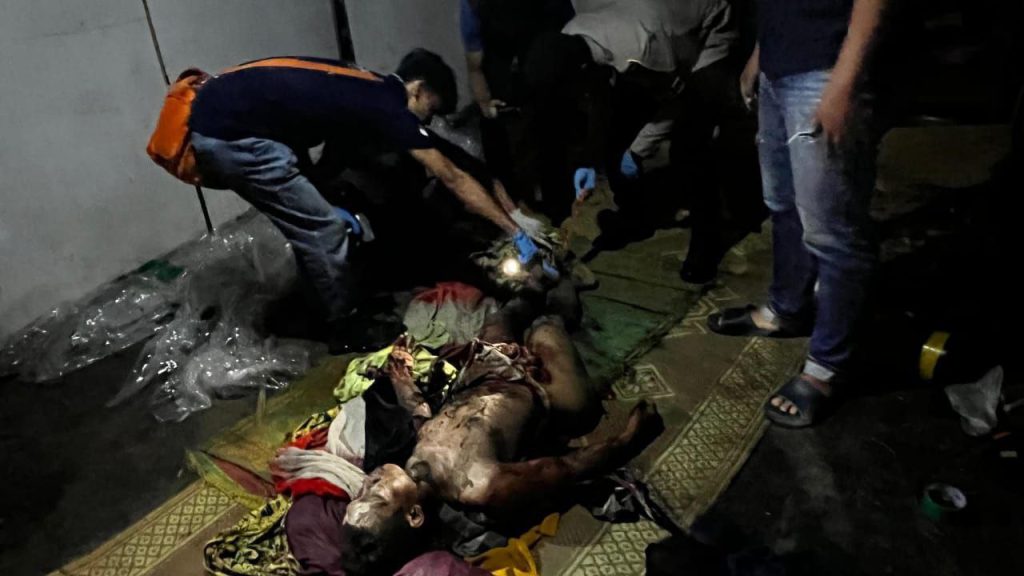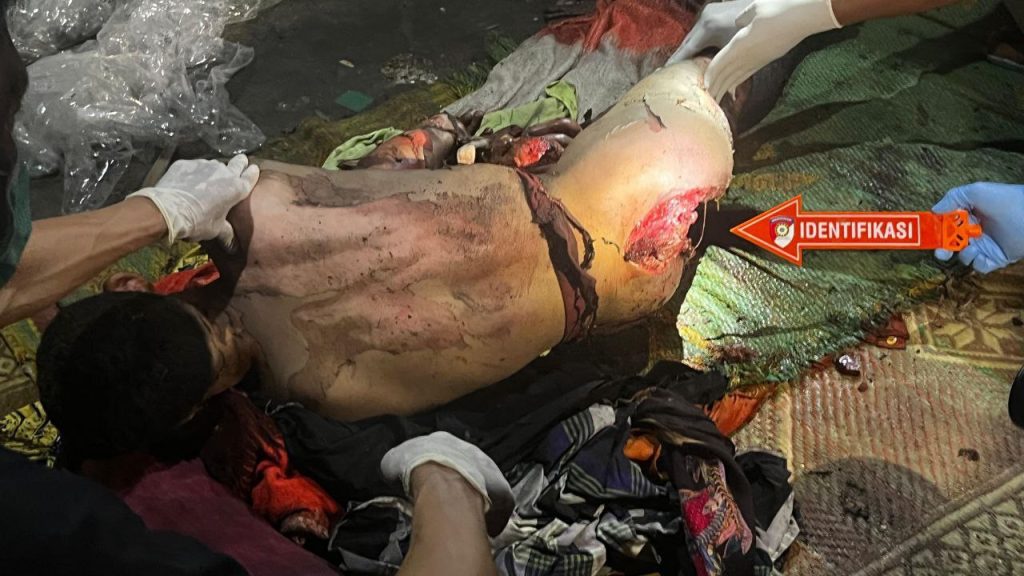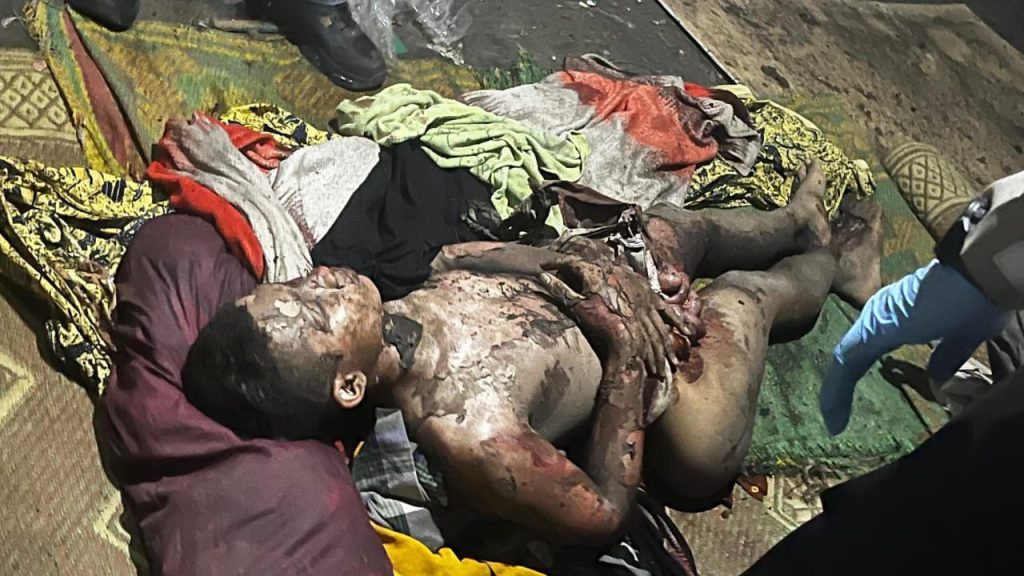






Homemade firework blast kills teen in Kauman, Ponorogo, Indonesia.
NEWS:
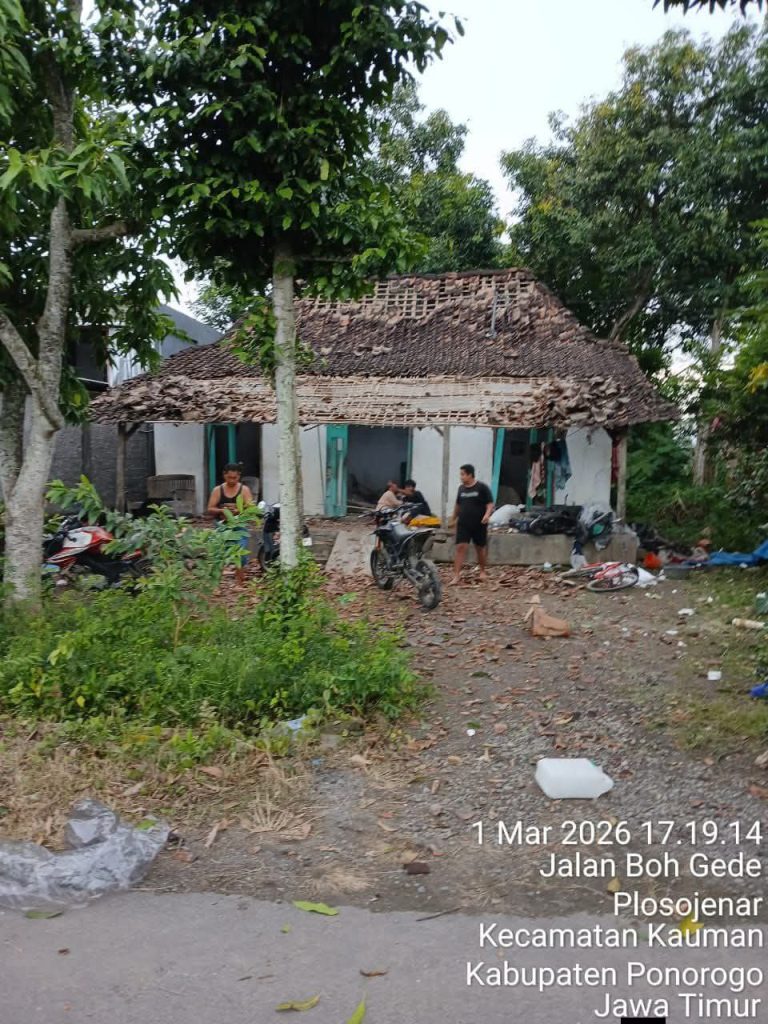
A powerful explosion linked to homemade fireworks shook Kauman District in Ponorogo Regency, in Indonesia’s East Java province, on Sunday, leaving one teenager dead, two others injured, and a house heavily damaged, according to local authorities involved in the response.
The blast struck on March 1, 2026, at about 00:5:15 p.m. local time, as many residents in the neighborhood were preparing for sunset prayers and the evening meal during Ramadan. People living nearby reported hearing a loud boom, followed by smoke rising from the home where the explosion originated. Neighbors moved toward the scene while emergency responders were notified.
Police officers who arrived first secured the area and began documenting damage to the structure and surrounding property. Investigators have described the incident as consistent with an explosion caused by fireworks materials being mixed or prepared inside the house. The victim who died was a junior high school student identified publicly only by the initial R, and authorities have limited personal details while the investigation continues.
Two other people were reported injured. Authorities said both suffered burn injuries, and at least one required intensive medical care at a regional public hospital. Officials have described the injuries as serious, while emphasizing that the victims were alive and receiving treatment.
In the hours after the explosion, officers collected items believed to be connected to fireworks production, including chemical ingredients commonly used to make firecrackers, along with casings, wiring, and tools. Investigators also reported finding components associated with a locally known practice of preparing hot-air balloons for seasonal celebrations, including an unfinished balloon frame. Officials have cautioned that the investigation is ongoing and that forensic testing is being used to confirm the precise composition and quantity of the materials recovered at the scene.
On Monday, a specialized bomb squad team from East Java was deployed to sweep the area for any remaining hazardous material and to support the forensic work. The team’s preliminary assessment characterized the substance involved as a low-grade explosive mixture commonly referred to as black powder, a fast-burning composition that can ignite if exposed to friction, heat, or a spark. Based on early on-site assessment of blast effects and debris patterns, investigators estimated that roughly five kilograms of the mixture may have been present. Officials stressed that final conclusions depend on forensic laboratory results and the broader reconstruction of what happened inside the home.
Police have not publicly stated whether the explosion occurred during mixing, packing, or another step in the process, but investigators have said a spark is among the scenarios being examined. Officials also stressed that even smaller quantities of fireworks powder can be dangerous in enclosed spaces, where pressure can build quickly and turn a flash ignition into a destructive blast.
The incident has renewed attention on a recurring safety problem in parts of Java, where homemade fireworks are sometimes produced ahead of holidays. In Ponorogo and nearby areas, the tradition of launching large hot-air balloons around Eid has drawn repeated warnings from authorities. Uncontrolled balloons can drift into power lines, fall onto rooftops, or interfere with aviation routes. When fireworks are attached, the risks expand sharply, adding the danger of mid-air ignition, ground-level explosions during preparation, and fires after landing.
Local police leadership has issued reminders in recent days that both unpermitted balloon launches and fireworks use can trigger criminal penalties, and that enforcement steps typically increase during Ramadan and in the weeks leading into Eid. Officials have framed the warnings as both a public-safety issue and an aviation-safety concern, urging communities to report illegal production and to avoid storing fireworks materials in homes.
While the investigation in Kauman continues, safety experts note that fireworks injuries are a recurring pattern worldwide, often involving burns to hands, arms, and the face, and disproportionately affecting young people. In the United States, consumer safety officials estimate that roughly fifteen thousand people sought emergency treatment for fireworks-related injuries in 2024, with burns consistently among the most common outcomes. Teens are a high risk group too. Peer-reviewed research that tracks fireworks injuries similarly finds that many incidents involve close-range handling, device malfunctions, or improvised products, conditions that raise the likelihood of severe harm.
Authorities in East Java have not released a complete timeline of what the victims were doing immediately before the blast, and investigators have urged the public not to spread rumors about responsibility or motive. For now, the focus remains on reconstructing the sequence of events, confirming what materials were present, and determining whether additional people were involved in preparing the fireworks mixture.
For residents near the damaged home, the explosion was a jarring reminder of how quickly an everyday setting can turn into an emergency. Community members described a frantic response as neighbors tried to help before ambulances arrived, while police worked to prevent additional injuries and keep bystanders away from debris and potential hazards.
Officials have encouraged families to treat fireworks materials as inherently dangerous, especially when made or stored outside regulated channels. They also urged parents and community leaders to talk with teenagers about the risks of experimenting with fireworks powder, including the possibility of fatal injuries, long-term disability, and lasting psychological distress for survivors and witnesses.
As the forensic process moves forward, police say they will continue interviewing witnesses and coordinating with specialists to finalize findings. In the meantime, authorities are reiterating a message that has followed similar incidents for years: celebrations should not come at the cost of lives, and the safest choice is to avoid homemade fireworks and leave displays to trained professionals.
News story written by DarkGore.
For more on this case:
If you want to know more about this case, just visit the following URL: https://beritajatim.com/breaking-news-ledakan-dahsyat-mercon-di-kauman-ponorogo-satu-orang-meninggal